
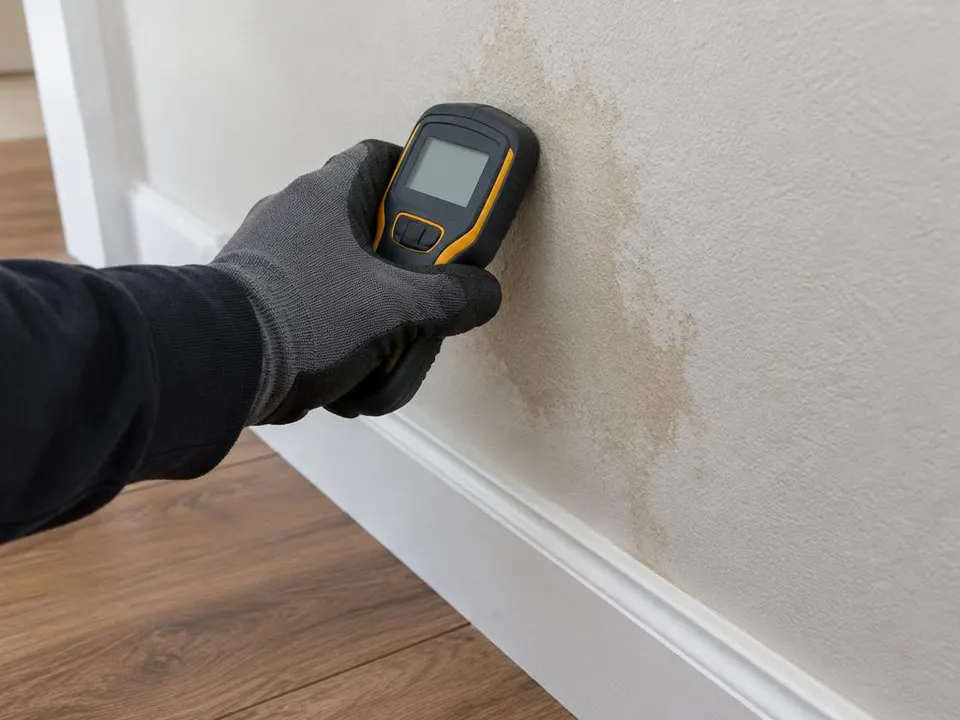
Why ask about the inside of an assembly?
EPA names wood, drywall and carpeting as materials that can remain wet after flood exposure. It also warns against sealing flooded wall cavities until the material is dry inside. That flood warning helps frame a question, not a claim that a specific interior wall has hidden mold.
What should be documented by the person doing the work?
Ask which locations were assessed, what the material was, why it can be dried or should be replaced, and what observation supports completion. The website does not ask a homeowner to lift carpet, expose framing or test a receptacle.
Stay away from the affected area, do not touch electrical switches, outlets or appliances near water, and call a professional. If anyone is in danger, leave the area and call 911.
What if a repair proposal skips the assessment step?
Ask the provider to distinguish the source finding, drying scope and reconstruction before comparing totals. The wall guide addresses layers; the carpet guide addresses padding. Neither is an inspection report for your house.
Calls go to voicemail, not a live provider. Messages are recorded and transcribed after the greeting. You can email us instead.
Free for homeowners. We may be paid for qualifying referral calls.
Sources
- U.S. EPA, Flood Cleanup to Protect Indoor Air and Your Health (accessed October 11, 2026).
- HomeAdvisor, How Much Does Water Damage Restoration Cost? (accessed October 11, 2026).
- California Contractors State License Board, Check a License (accessed October 11, 2026).